Roller Shutter vs Roller Door: Key Differences Explained
Roller Shutter vs Roller Door: Key Differences Explained
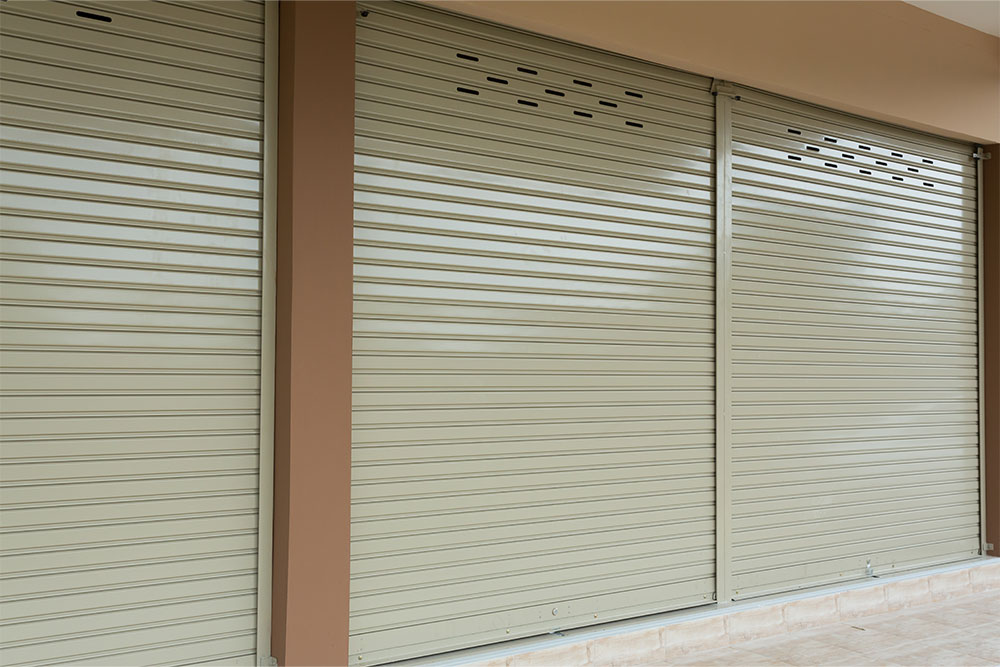
At first glance, roller shutters and roller doors appear very similar. Both roll up neatly above an opening and are commonly used for garages, shopfronts and other access points. The distinction becomes clearer when you consider how each one is used in day-to-day settings.
In practice, the choice often depends on function rather than appearance. A retail unit that needs dependable after-hours protection has very different requirements from a garage that opens and closes several times a day. While both options provide coverage and security, their construction and performance make each one better suited to specific environments.
What Is a Roller Shutter?
A roller shutter is a protective system made up of interlocking horizontal slats that coil into a compact housing above an opening. Typically manufactured from steel or aluminium, it is built to offer strength, resilience and long-term reliability. Systems can be operated manually or fitted with a motor for smoother use.
Because of their robust construction, roller shutters are commonly installed in settings where security and durability matter. You will often find them in:
Shopfronts and retail outlets
Warehouses and industrial facilities
Factories and loading bays
Commercial buildings and storage units
What Is a Roller Door?
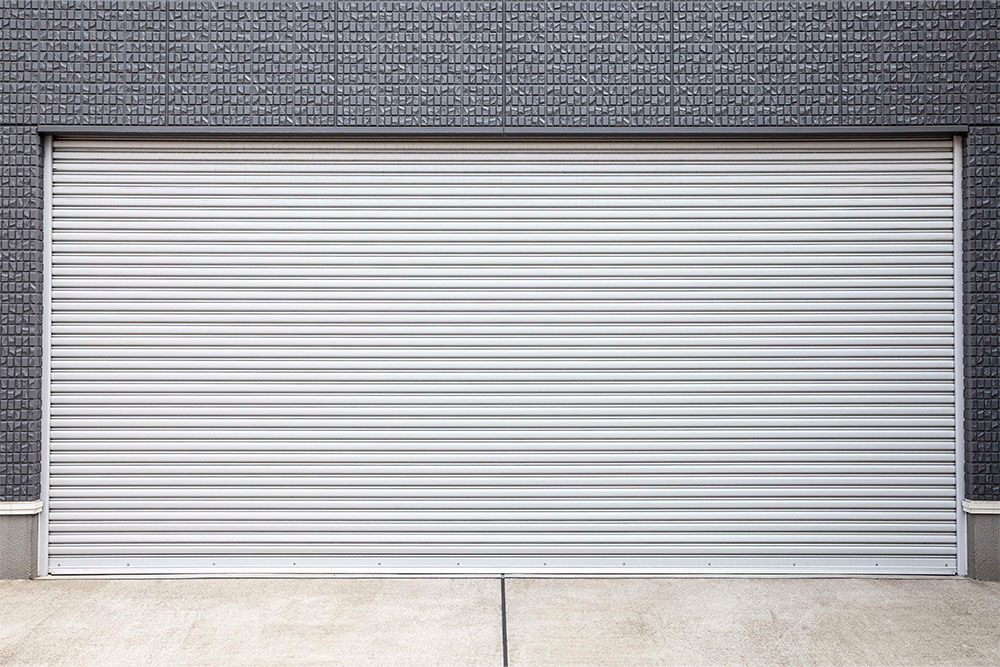
A roller door is made from a single sheet or a series of lightweight panels that roll up into a drum above the opening. It is designed for straightforward, frequent operation, making it well suited to spaces with regular daily use. Steel and aluminium are commonly used, offering a practical balance between durability and cost. Depending on the setup, roller doors can be operated manually or with an automated system for added convenience.
Thanks to their simplicity and ease of use, roller doors are often chosen for:
Residential garages
Car parks
Storage units
Light commercial spaces
What Are the Key Differences Between Roller Shutters and Roller Doors?
Although they may look alike, the differences between these two systems influence how they perform in real-world conditions.
Design and Structure
Roller shutters consist of interlocking slats, which create a more reinforced and flexible structure. Roller doors, by comparison, are made from a single sheet or lighter panels, resulting in a simpler build.
Security Level
For higher levels of protection, roller shutters are generally preferred. Their heavier construction offers greater resistance against forced entry. Roller doors provide a reasonable level of security but are more suited to lower-risk environments.
Durability
Roller shutters are designed to withstand demanding conditions and frequent use. Roller doors, on the other hand, perform well in less intensive settings where wear and tear are lower.
Applications
In commercial and industrial environments such as warehouses or shopfronts, roller shutters are often the go-to option. Roller doors are more commonly installed in homes, storage spaces and smaller business premises.
Cost
Due to their heavier-duty materials and construction, roller shutters typically cost more. Roller doors are usually more affordable, making them a practical choice for residential or light commercial use.
Which Option Suits Your Space Best?
Choosing between the two comes down to how the system will be used and the level of protection required. For premises that demand stronger security and long-term durability, roller shutters tend to be the more suitable option. They are particularly effective in environments with higher traffic or greater exposure.
On the other hand, if ease of use and cost efficiency are the main priorities, a roller door is often the better fit. It works well in residential settings or locations where access is frequent but security demands are moderate.
Finding the Best Fit for Your Needs
Although roller shutters and roller doors may look similar at a glance, their differences become clearer when you consider how they perform in everyday use. If you are looking to enhance protection for your property, Specific Shutter Sdn. Bhd. offers roller shutter solutions tailored to a range of residential, commercial and industrial needs. Contact our team to explore a system that fits your space and usage requirements today.
Frequently Asked Questions About Roller Shutter Solutions
Do roller shutters and roller doors require electricity to operate?
Not necessarily. Both can be operated manually, although motorised versions are available for added convenience. Automated systems will require a power supply.
How long do roller shutters typically last?
Are roller shutters noisy during operation?
Do roller doors take up a lot of space when opened?
Can roller shutters and roller doors be installed in existing buildings?
Our Product
Working Hours
Office Hours
Mon - Fri (9 a.m. – 6 p.m.)
Maintenance and Repair
Mon - Sun (24 Hours)
Address
61,jalan sri ehsan 2,taman sri
ehsan 52100 Kuala Lumpur,
Malaysia
Contact Us